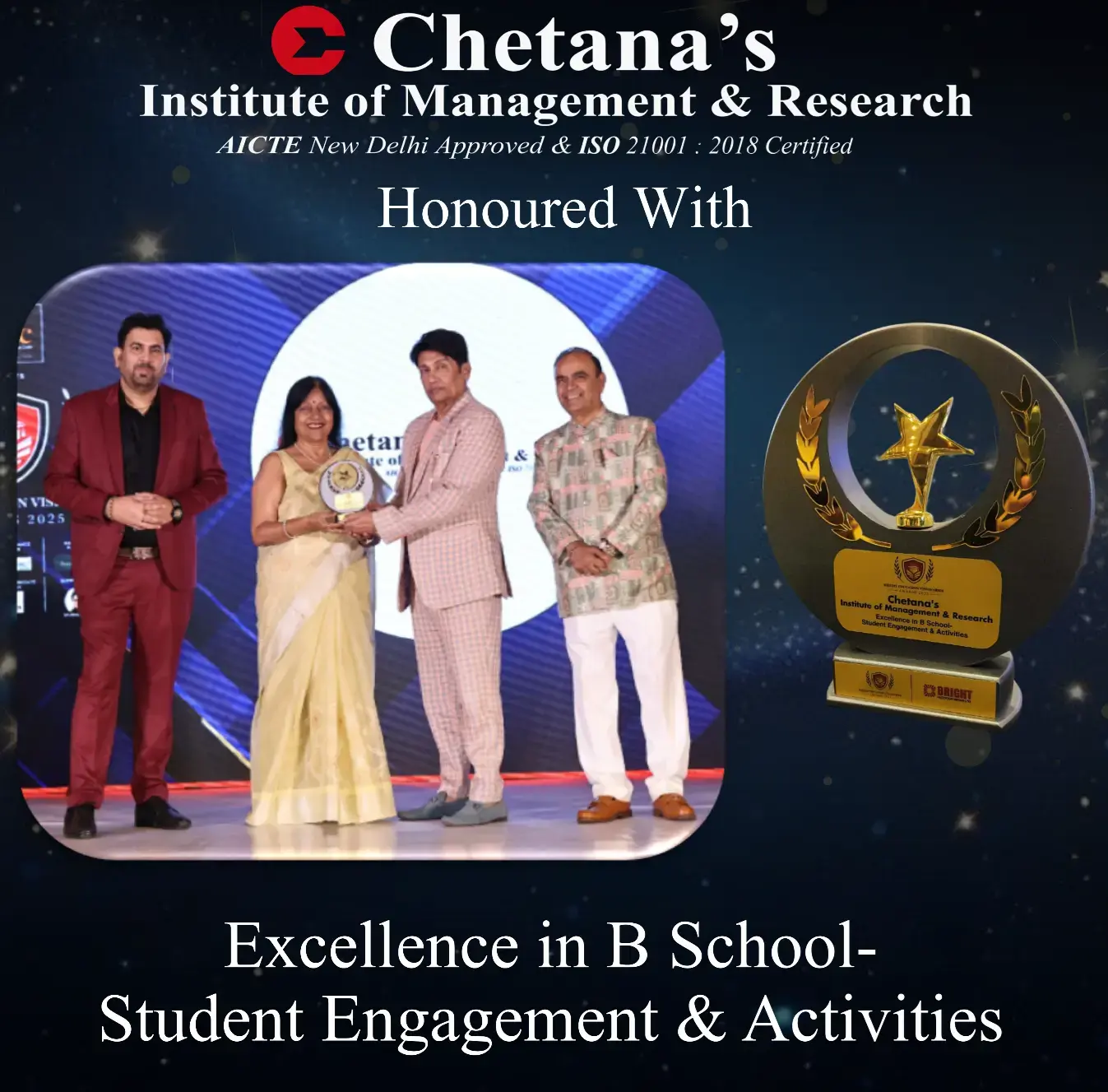
Chetana’s Institute of Management & Research (CIMR) has been conferred with the Award for Excellence in Student Engagement and Activities in recognition of its sustained, structured, and holistic approach to student development.. The Institute’s engagement framework is thoughtfully designed to integrate academic rigor, industry exposure, experiential learning, research orientation, co-curricular participation, mental well-being, and ethical grounding, ensuring the all-round development of future management professionals.
Student engagement at CIMR begins with a comprehensive four-week Induction Programme conducted during July–August, which facilitates a smooth transition into management education. This immersive programme focuses on building functional, technical, soft, and creative skills while also nurturing emotional preparedness. Activities such as Know Your Group sessions foster peer bonding and a sense of belonging; Universal Human Values (UHV) promotes self-reflection, ethical awareness, and emotional balance; Demystifying Financial Markets introduces students to financial instruments and market dynamics; Team Building Sessions strengthen cooperation, leadership, and problem-solving abilities; and LinkedIn Networking equips students with essential digital professional branding skills. Together, these initiatives lay a strong foundation for collaborative learning and self-awareness.
Beyond induction, CIMR encourages students to actively participate in debates, business idea presentations, case-based competitions, and inter-collegiate events. Nearly ten structured activities are organized annually, and students consistently win prizes and certificates, reinforcing a culture of excellence, confidence, and healthy competition. Continuous industry interaction further strengthens engagement, with around 40 guest lectures conducted each year. These sessions bridge the gap between theory and practice by exposing students to real-world business challenges, contemporary practices, and industry perspectives.
The Institute’s engagement calendar culminates in a series of flagship academic forums held during November–December. Vipanan, the Marketing Forum event, focuses on enhancing marketing acumen and understanding evolving market dynamics. Vipanan 2025 emphasized responsible digital engagement and forward-looking marketing strategies in a technology-driven environment. Arthanaad, the Annual Finance Conclave, has emerged as a prestigious platform bringing together academicians, industry experts, policymakers, and students. With themes such as Sensex at 1,00,000, FinTech: Redefining Finance, and Journey of Listed SMEs, Arthanaad reflects CIMR’s commitment to relevance, thought leadership, and alignment with the changing financial landscape.
Complementing these is HROpSys, an event focusing on HR, Operations, and Systems, which explores how organizations can build data-driven cultures by aligning People, Process, and Technology. Through expert interactions, students gain a systems-thinking perspective and appreciate the strategic role of data-based decision-making and cross-functional collaboration. Elixir, the flagship General Management event, keeps students informed about contemporary economic issues, macroeconomic trends, and national development initiatives, strengthening their ability to contextualize managerial decisions within broader economic and policy frameworks.
CIMR also places strong emphasis on research orientation through initiatives such as the Chetana’s Knowledge Board Competition (CKBC), introduced in 2019. CKBC integrates research skills, communication abilities, teamwork, and managerial competencies, encouraging students to stay informed about socio-economic and industry developments. The competition fosters inquiry-based learning, critical thinking, leadership, and presentation skills, preparing students to meet current and future industry needs.
Experiential learning is further reinforced through Challenger, the Institute’s annual sports event. Challenger embodies CIMR’s belief that excellence extends beyond classrooms. Sports are used as powerful platforms to develop managerial competencies such as resilience, adaptability, quick decision-making, teamwork, leadership, time management, and crisis handling. The event also instills values of ethics, integrity, and sportsmanship. Inclusivity is enhanced by the participation of administrative staff through creative activities like poster-making and wall-painting, transforming Challenger into a holistic celebration of talent, teamwork, and institutional bonding.
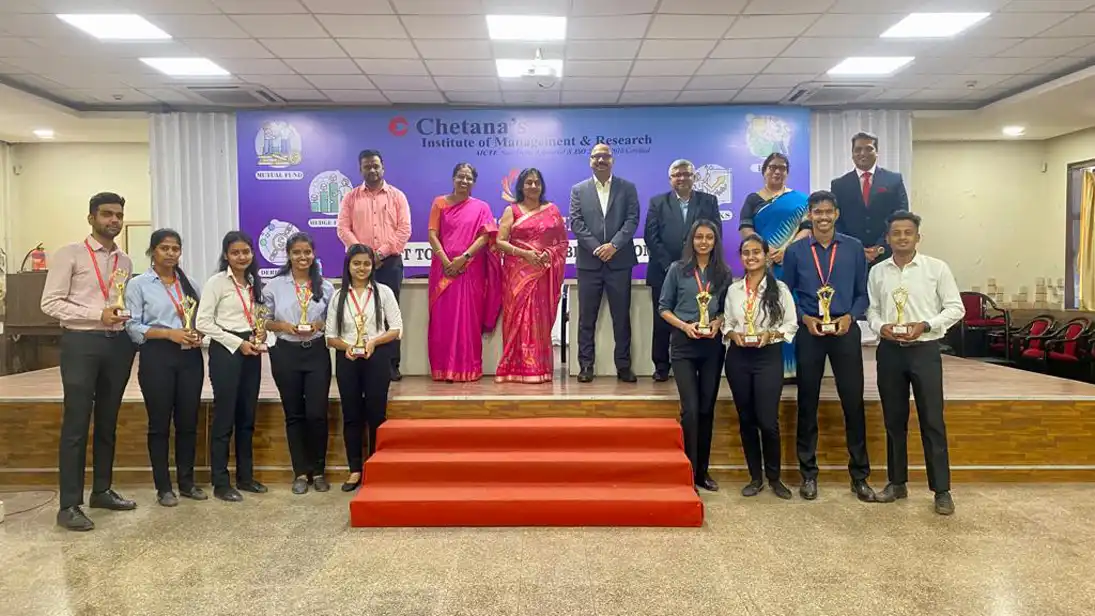
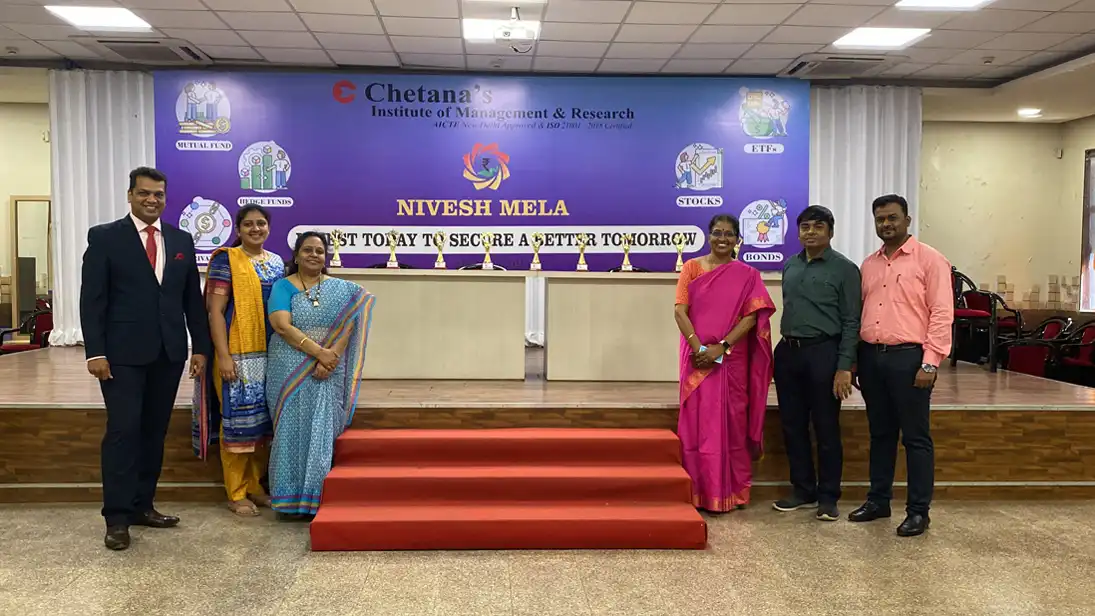
Innovative pedagogy is exemplified by Nivesh Mela, an experiential learning initiative that simulates an investment marketplace. Students research financial instruments, set up kiosks, and persuade peers and faculty acting as investors with virtual capital. This activity enhances conceptual clarity, analytical skills, consumer psychology understanding, persuasion techniques, ethical selling, and decision-making. Similarly, poster-making competitions function as augmented pedagogical tools that foster creativity, visual communication, critical thinking, and social awareness.
The Institute also actively encourages student participation in conferences, paper presentations, and publications, building research and scholarly skills, ethical research practices, and confidence in academic communication. Participation in clubs and committees further strengthens inclusivity, teamwork, leadership, and socio-cultural engagement, while transparent grievance redressal and co-created codes of conduct ensure a safe and respectful campus environment.
Mental well-being and sustainability form another critical pillar of student engagement at CIMR. The Institute adopts a holistic understanding of sustainability rooted in intergenerational equity, social responsibility, and spiritual awareness. By integrating mental, emotional, and spiritual well-being into academic and co-curricular activities, CIMR nurtures resilient, empathetic, and ethically grounded individuals who recognize the interconnectedness of human well-being and sustainable development.
Collectively, these initiatives are systematically aligned with Graduate Attributes and Programme Educational Objectives. They strengthen decision-making, problem-solving, adaptability, teamwork, ethical leadership, and socio-economic engagement. Through its comprehensive and continuous engagement ecosystem, CIMR ensures that students graduate as academically competent, industry-ready, ethically responsible, and socially conscious professionals—making the Institute a truly deserving recipient of the Award for Excellence in Student Engagement and Activities.
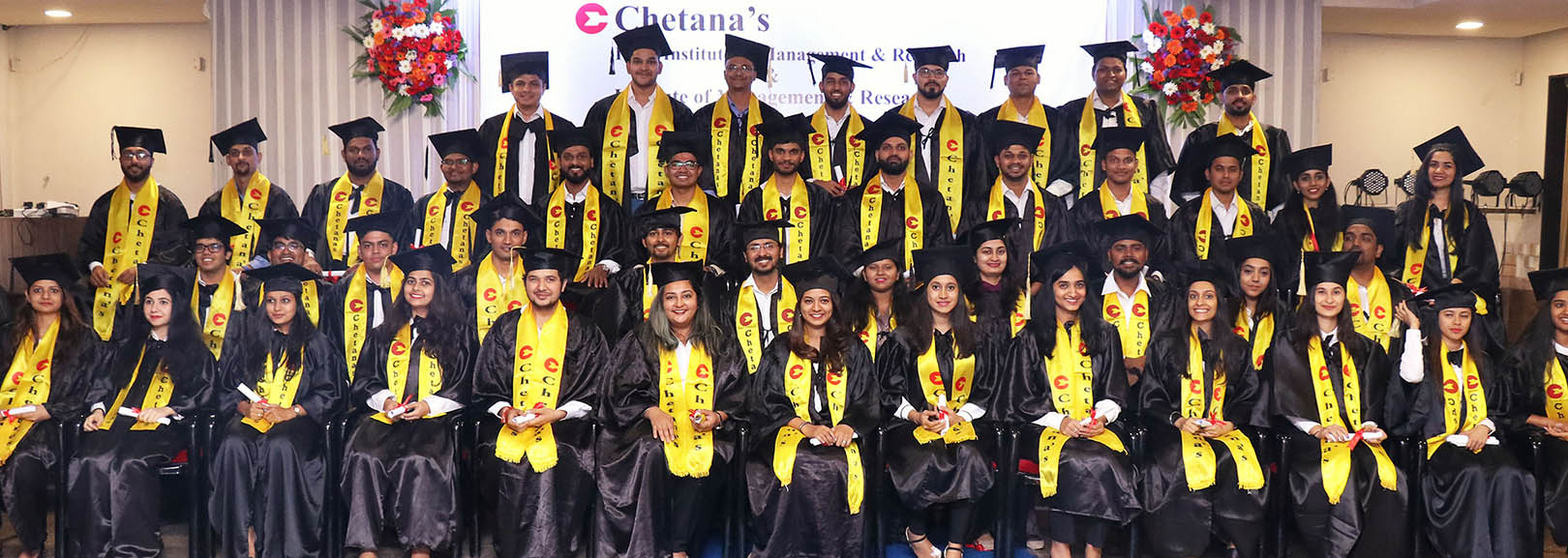
Teaching Learning Initiative
At our institute, we embrace cutting-edge and creative teaching methods that not only promote learning and development but also make the journey of education exciting and enjoyable.”
Faculty Initiative on Teaching and Learning
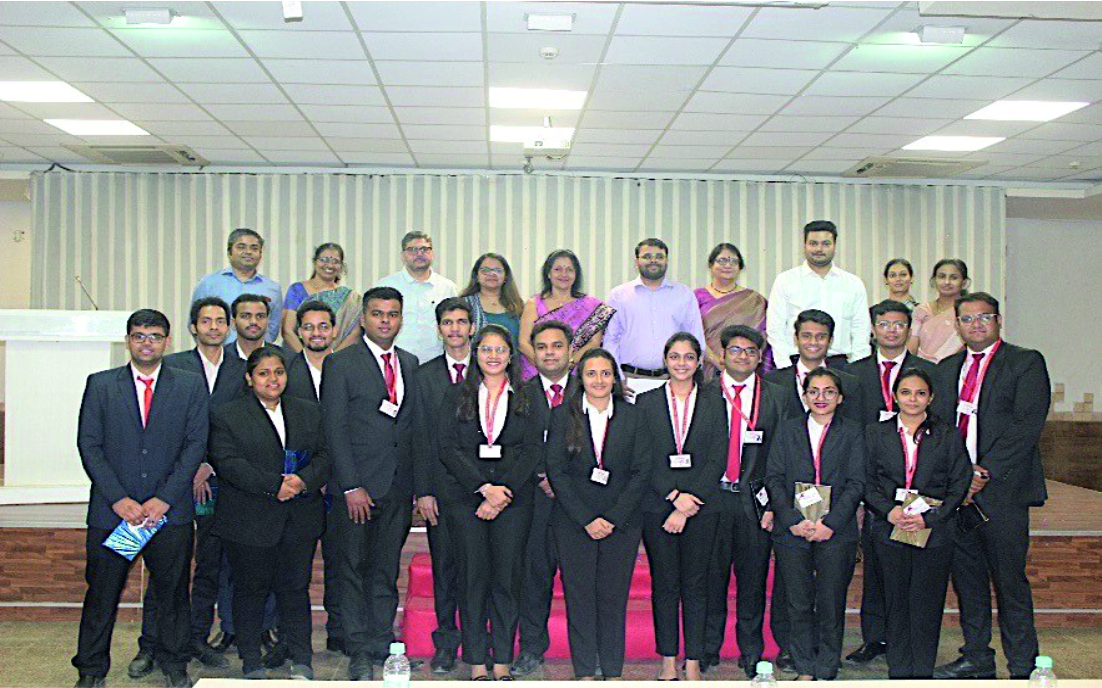
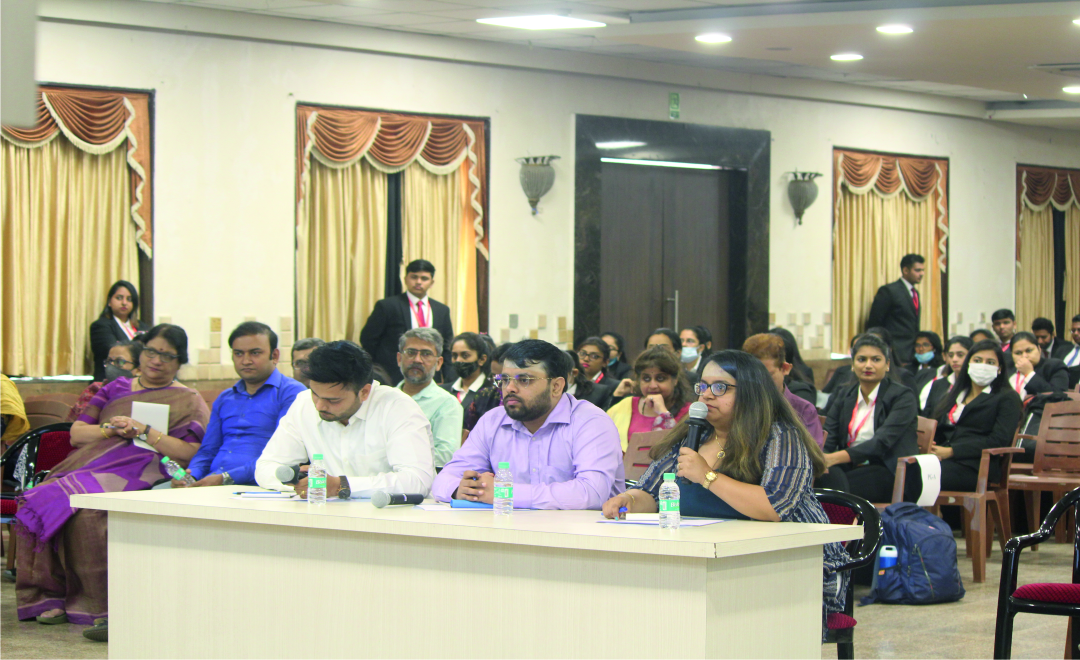
Chetana's Knowledge Board Competition (CKBC)- Sectoral Analysis
In an effort to ignite the 'research' spark, this forum is provided to the first-year PGDM students by the library committee. The event combines the use of research, communication and managerial skills and motivates the learners to be informed of their surroundings. The rationale behind this innovative and effective pedagogy was to provide students with a platform to explore various sectors with a holistic approach and to hone the spirit of teamwork and inculcate leadership skills amongst them
Application of Information System in Business
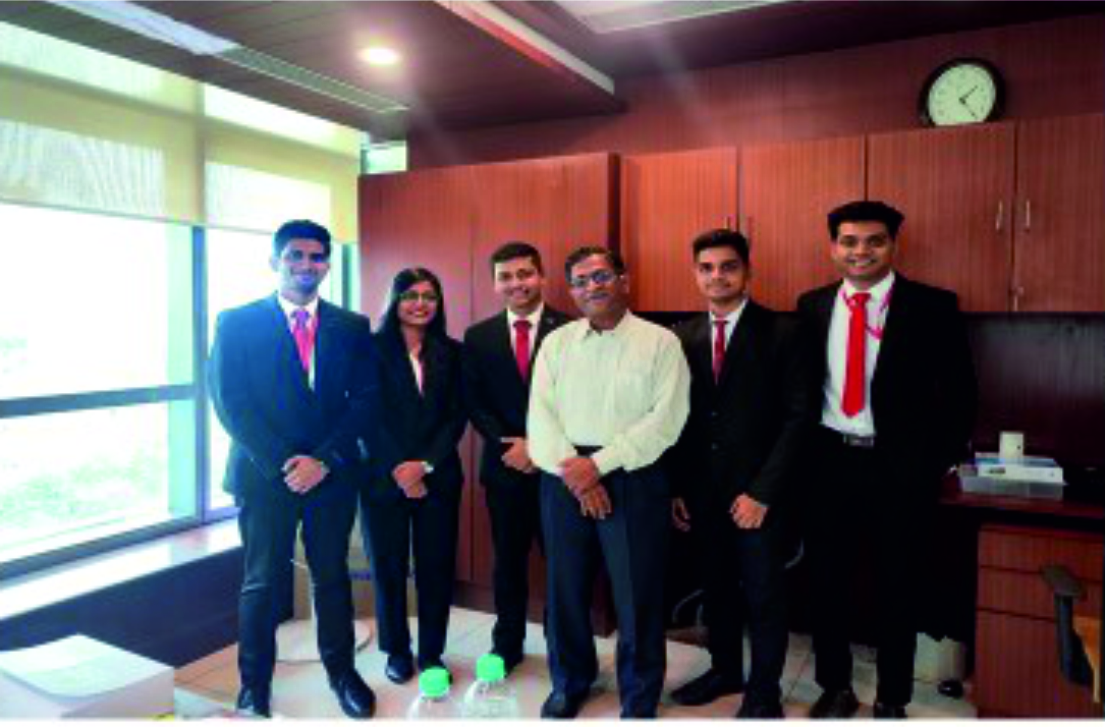
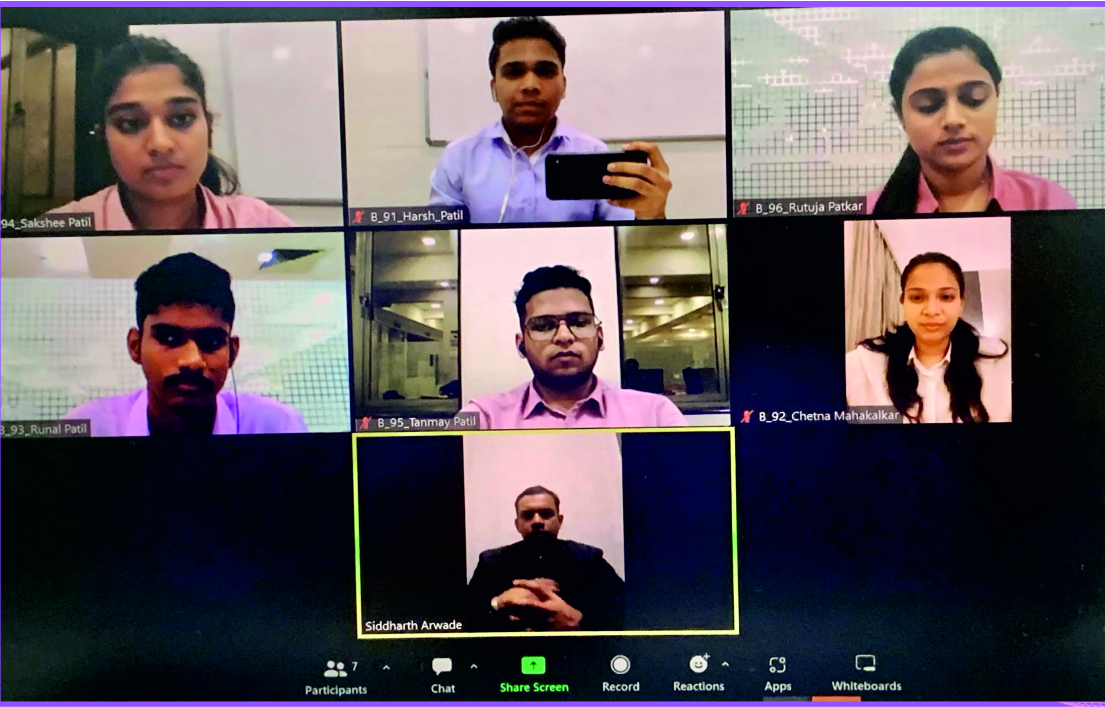
Innovation Lab
Innovation Lab wasn't an assignment to our students but the journey to reach towards excellence. During this project each division was transformed into a mock organization.
Students get the opportunity to handle the leadership roles of various departments to test their skills. Innovative organizational presentation was a process for learning the different functions of the various departments such as
The Marketing Lab
The Marketing Lab has been introduced under the PGDM Marketing Program. The students are given sales assignments to enable them to understand the sales process. This hands-on learning experience is provided through tie-ups with various industries. The sales assignment is spread over two semesters, linked to courses such as Selling & Negotiation Skills in Semester I and Sales & Distribution Management in Semester II. The students get brief from the industry on the products and services offered, after which they help the business in collecting data on the prospective clients for the business. The students develop sales pitch for the products and are further engaged in converting the cold leads into warm leads. The lab enables individual learning and peer learning and helps develop the spirit of team work.
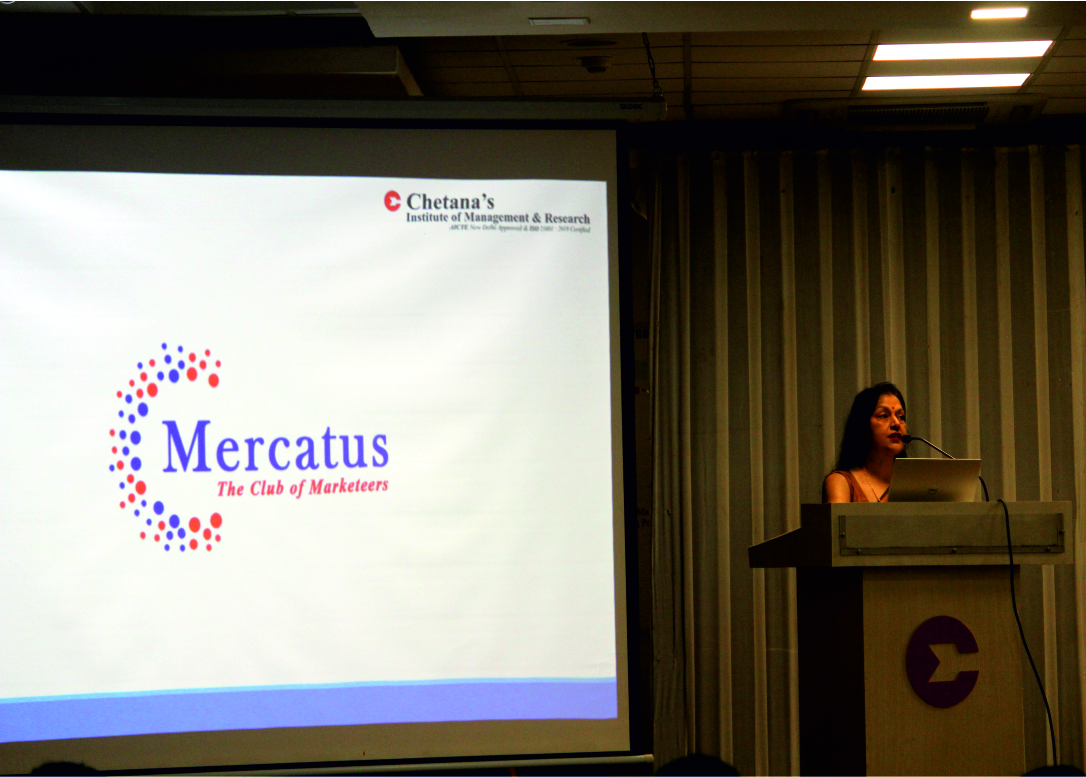
Mercatus Club
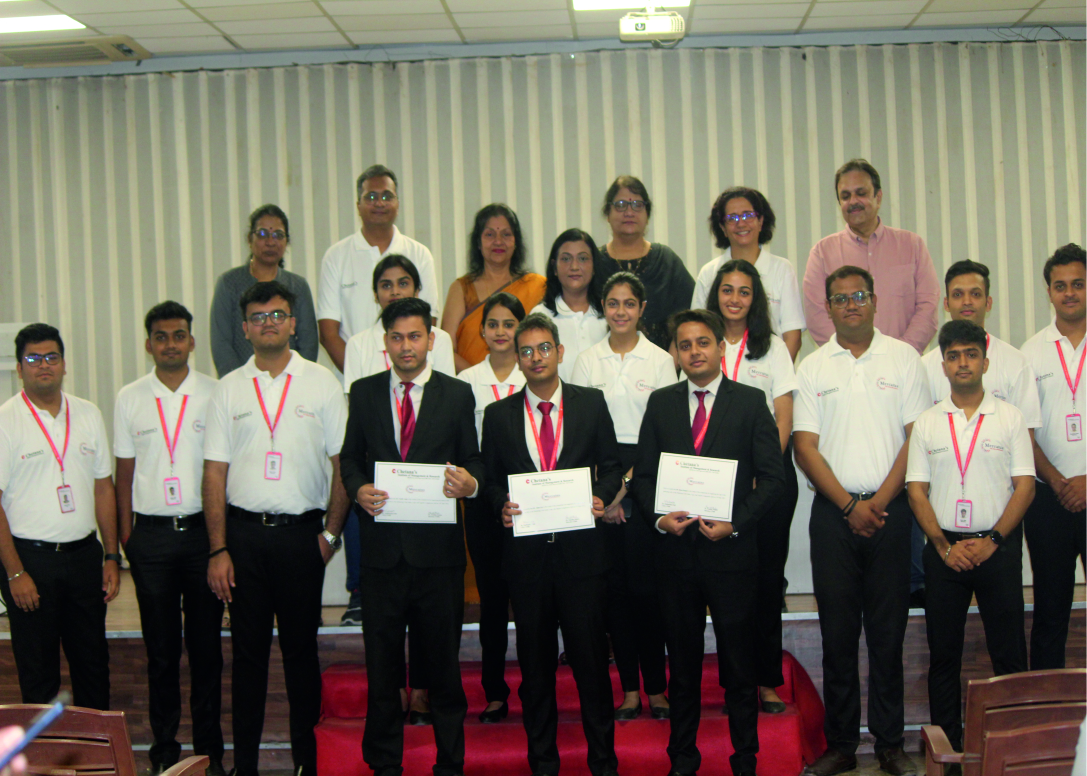
Mercatus Club, the Marketing Club at CIMR is a student-centred body and a platform where students get an opportunity to blend marketing theories with application. It keeps the students abreast with the latest happenings in the realm of marketing domain. Mercatus organizes various inter and intra-college competitions and activities. The club facilitates interaction with the alumni and industry experts by organizing various Workshops, Master Class and Guest Lectures. The Club also has a quarterly newsletter called 'M-Quotient' which provides marketing exposure to all marketing and non-marketing students in form or articles, columns, discussions and news-bytes.
CIMR’s HR Lab
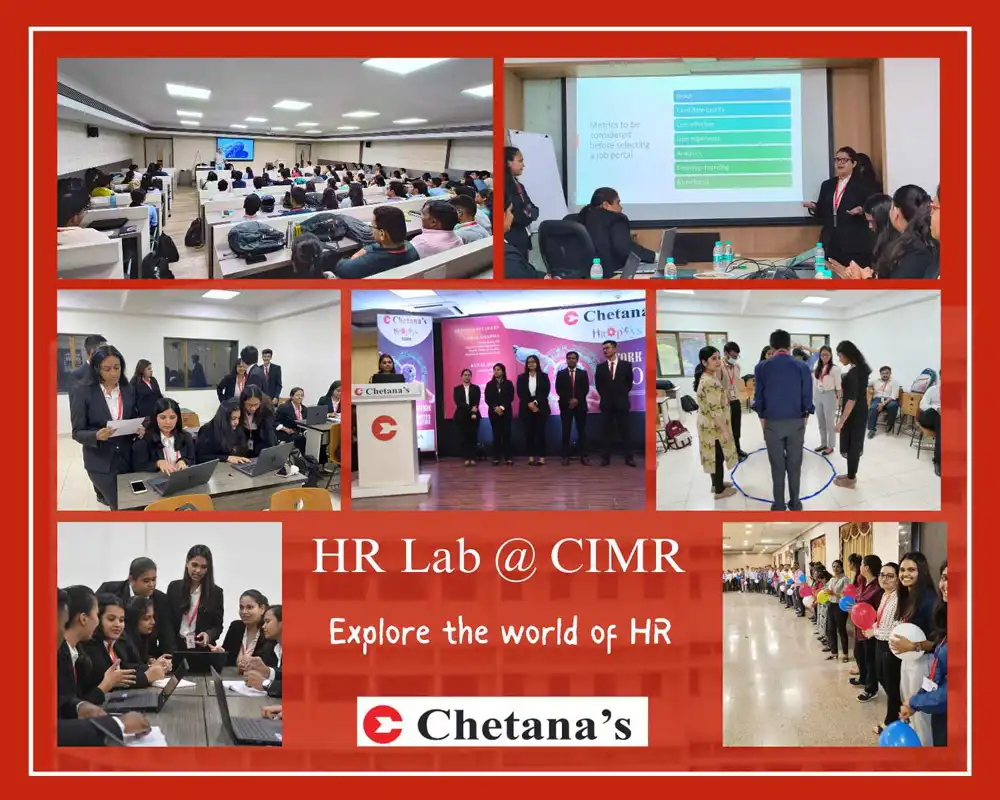
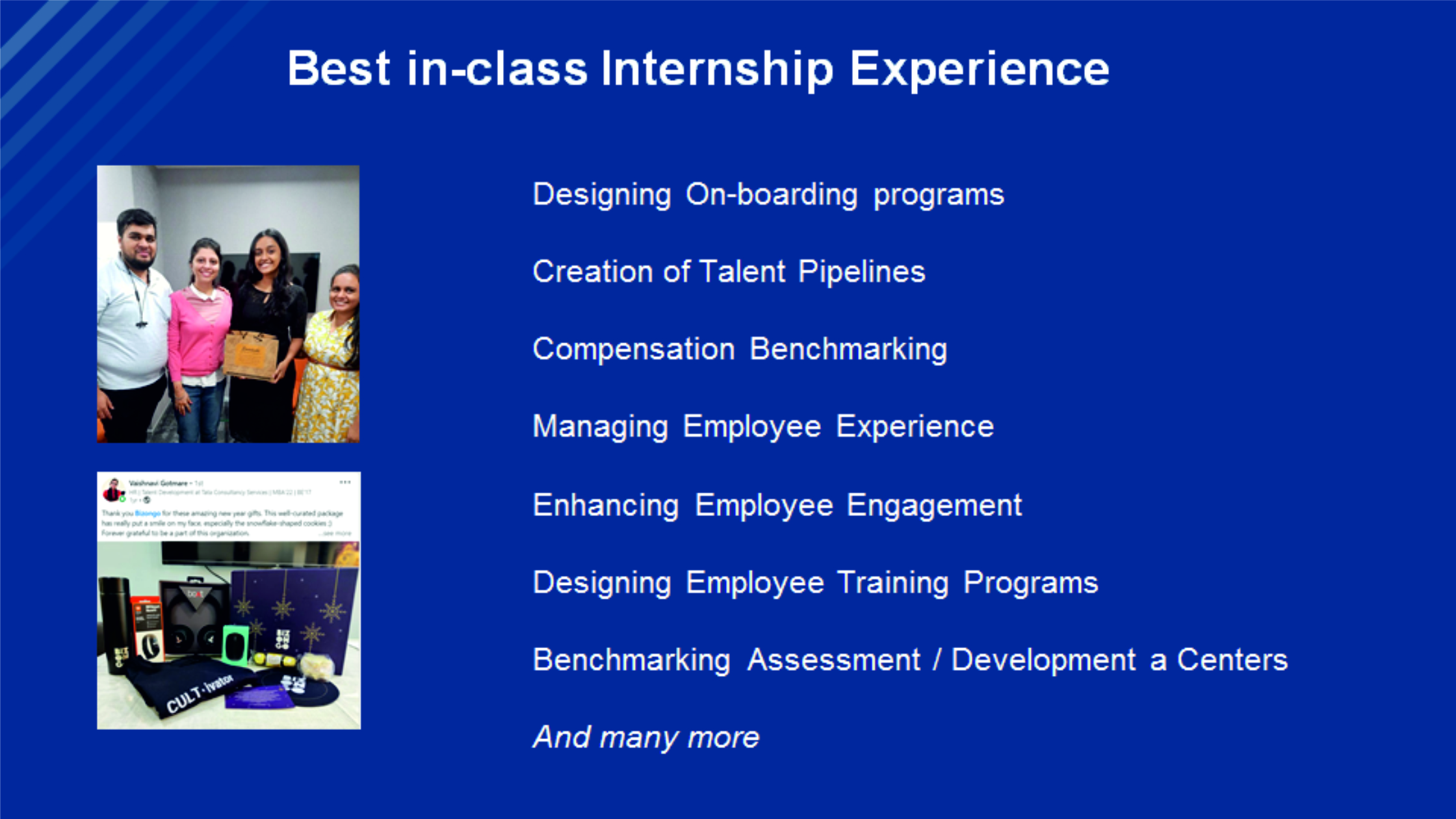
In today's dynamic business landscape, the role of Human Resources (HR) professionals is evolving rapidly. This requires innovative approaches to education and skill development. CIMR’s Chetana’s HR Lab aims to promote the HR profession through Education, Training, and Research. Students gain practical exposure to the corporate world in addition to academic learning. Students are mentored by industry professionals to interact with thought leaders from different Organisations. These interactions help students to learn from the rich experience of these HR professionals.
The workshops and sessions as part of the HR lab, offering an immersive and hands-on experience to students pursuing HR, that bridges the gap between theory and practice. Conceptual and practical aspects related to managing employee life cycle are covered through the sessions and industry mentors.
Students are involved in simulated real-world scenarios, handling interviews, conducting role plays, analyzing case studies, gamification activities and designing human-centric solutions to HR problems. With focus on analytical and critical thinking, they are trained to develop HR dashboards and templates that can support data driven decision making.
One of the most unique features of CIMR’s HR lab is the opportunity for students to work in live projects. Working on live projects enables students to collaborate with industry experts, tackle authentic challenges, and develop the skills and confidence necessary to excel in their future HR careers.
HR Lab encourages collaboration and teamwork, mirroring the collaborative nature of HR work in the real world. By working together on projects and assignments, students learn to communicate effectively, negotiate differences, and leverage each other's strengths—a skill set essential for success in the field of HR.
All Round Personality Development Workshop
Happiness is all about Wellness
The significance of happiness and its relationship with harmony is tremendous. The personality development workshop focusses on co-curricular activities of the students thus imparting holistic development. There are various components in the workshop, like Communication Lab, Art Appreciation, Foreign Language, Dance to your Happiness, Cross- Cultural protocols , Lateral Thinking and Emotional Wellness.
Financial Times- Past, Present And Future
Innovative pedagogy for students to understand and contemplate the past present and future of financial system and policies in India.
Finance specialization students set up teams and are given a topic to discuss. The topics are based on past present and future of Indian financial system. Students can discuss the topics at large in the form of group discussions / moderator and Panel discussions / expert opinions style. Students are expected to have an in-depth study of the topic, so that they can critically analyze the topics. The various styles of discussions will encourage the students for more extempore discussions on financial topics.
Innovative Pedagogy to learn about Financial Instruments for Investments.
NIVESH MELA
Nivesh Mela is an innovative pedagogy used to create awareness about different Financial products and Instruments available for Investments.
Students are made to work in teams and have been allotted one type of Financial product. They are supposed to know its historical risks and returns, the current trends and the companies offering such products. All teams make a kiosk or a stall where students from other specialization and other faculty come to see the mela. Each person in the audience is given Rs. 2crore virtual money to invest. The teams are supposed to convince the audience and get the maximum revenue by selling their products.
Students not only learn about the products but also understand consumer psychology and behavioral finance. Prizes at the end keep the competitive spirits high.